

Our History
Founded by colonists mostly of Scottish origin in what was then Newark—the first capital of Upper Canada — the congregation has gathered for worship through times of growth, hardship, and renewal.
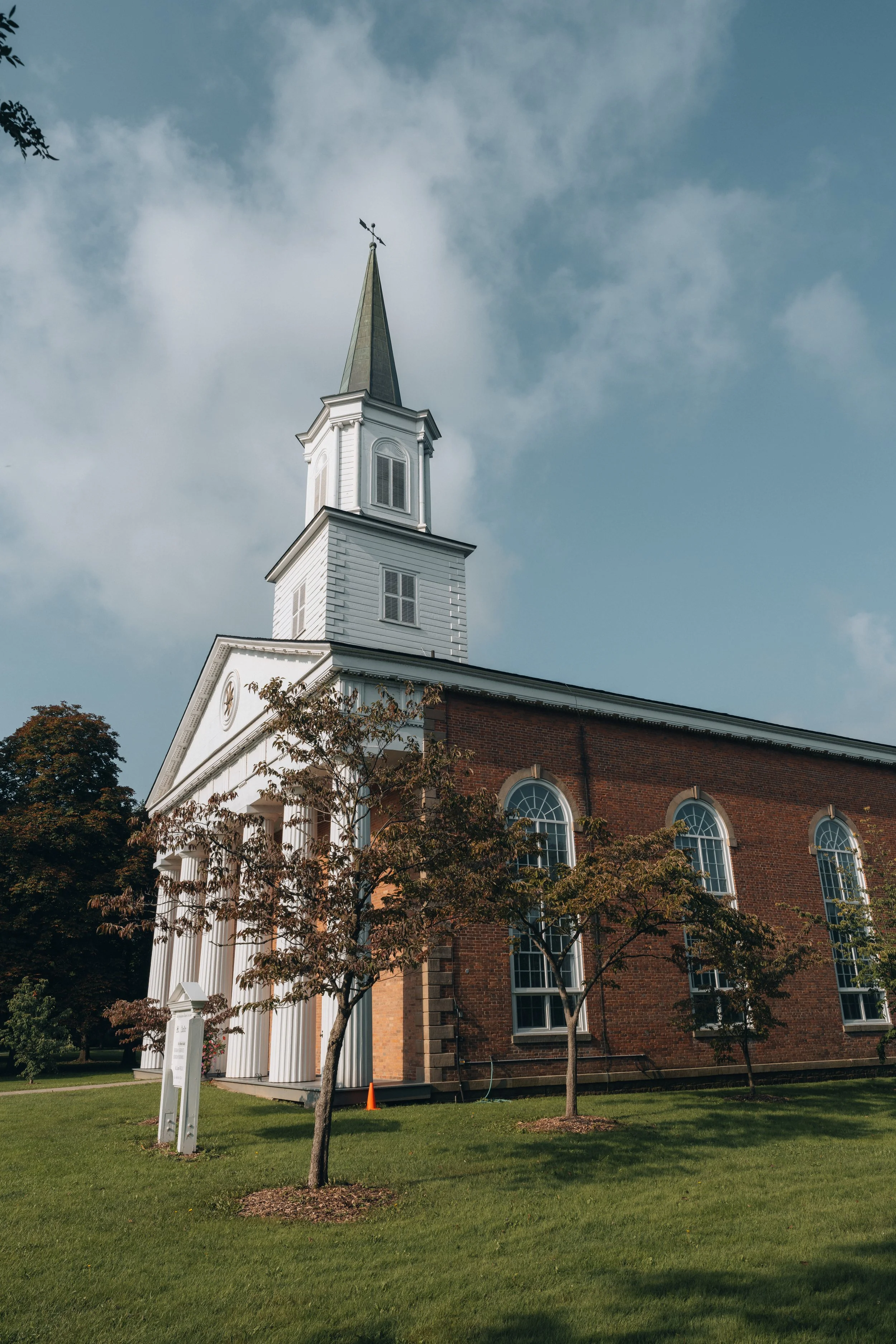
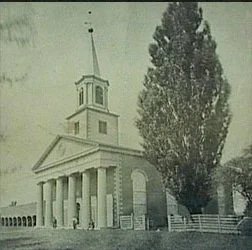
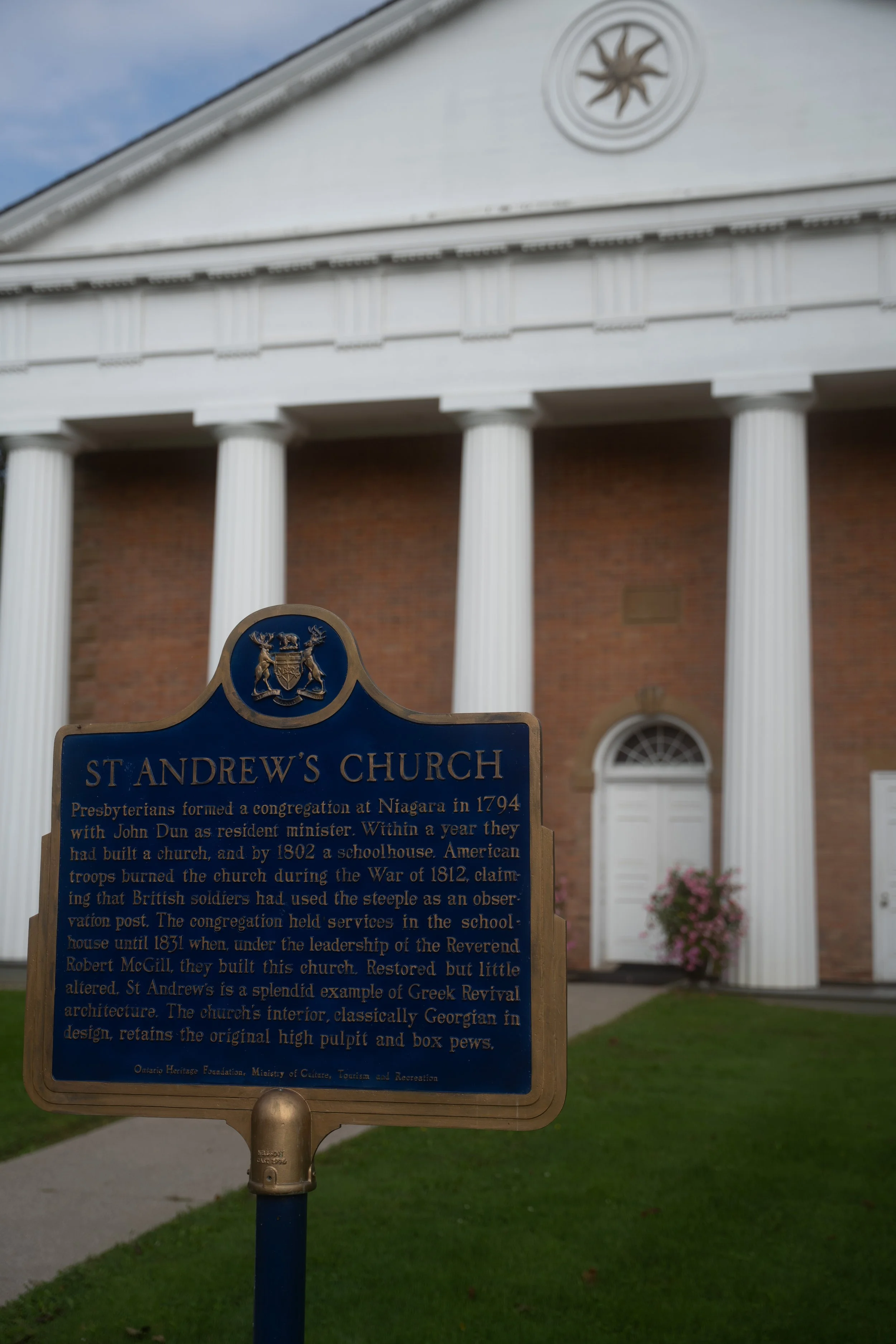
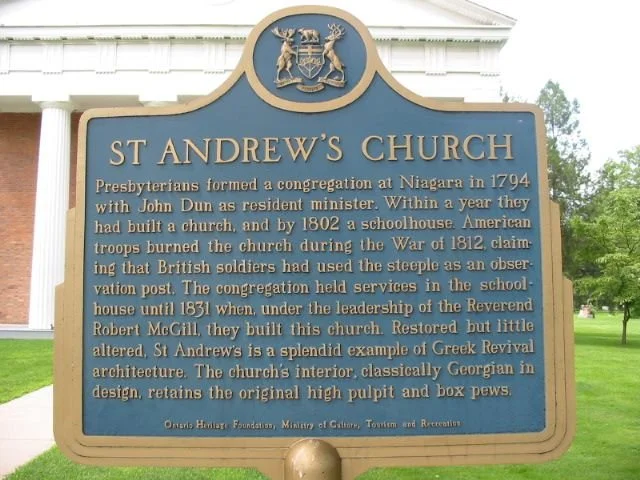
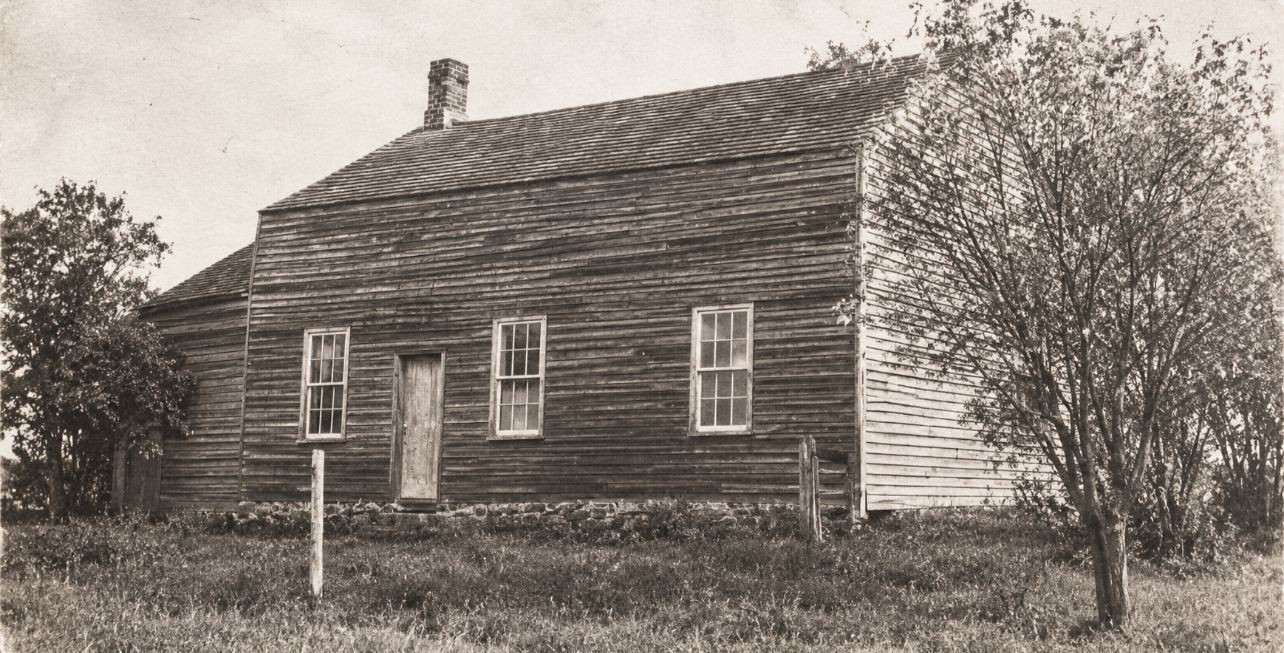
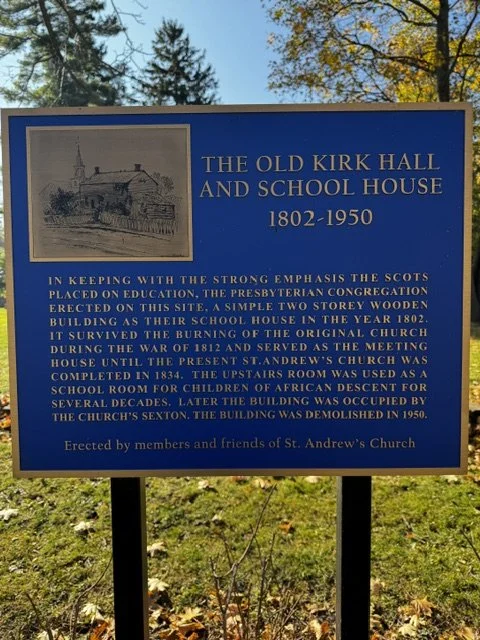
The original church building was destroyed during the War of 1812, but the congregation continued meeting for worship in the Old Kirk Hall until the present sanctuary was completed in 1831. Today the church remains one of the finest examples of Greek revival architecture in North America, with many of its original features still carefully preserved.
Over the years St. Andrew’s has played an important role in the life of the community. Besides being a people of worship for many generations, the congregation has served local families, welcomed soldiers during both World Wars, supported education, and provided a gathering place for countless community events. More recently, traditions such as the Strawberry Festival, Festival of Praise, Gateau and Grace, and quiet prayer have continued the legacy of opening its doors to the wider community.
While we are grateful for our history, St. Andrew’s is not simply a historic building. It is an active congregation where people gather each week to worship God, study scripture, care for one another, and serve our neighbours. We continue to build on the faithful work of those who came before us as we seek to live out the gospel in Niagara-on-the-Lake today.

The Bell of St. Andrew’s
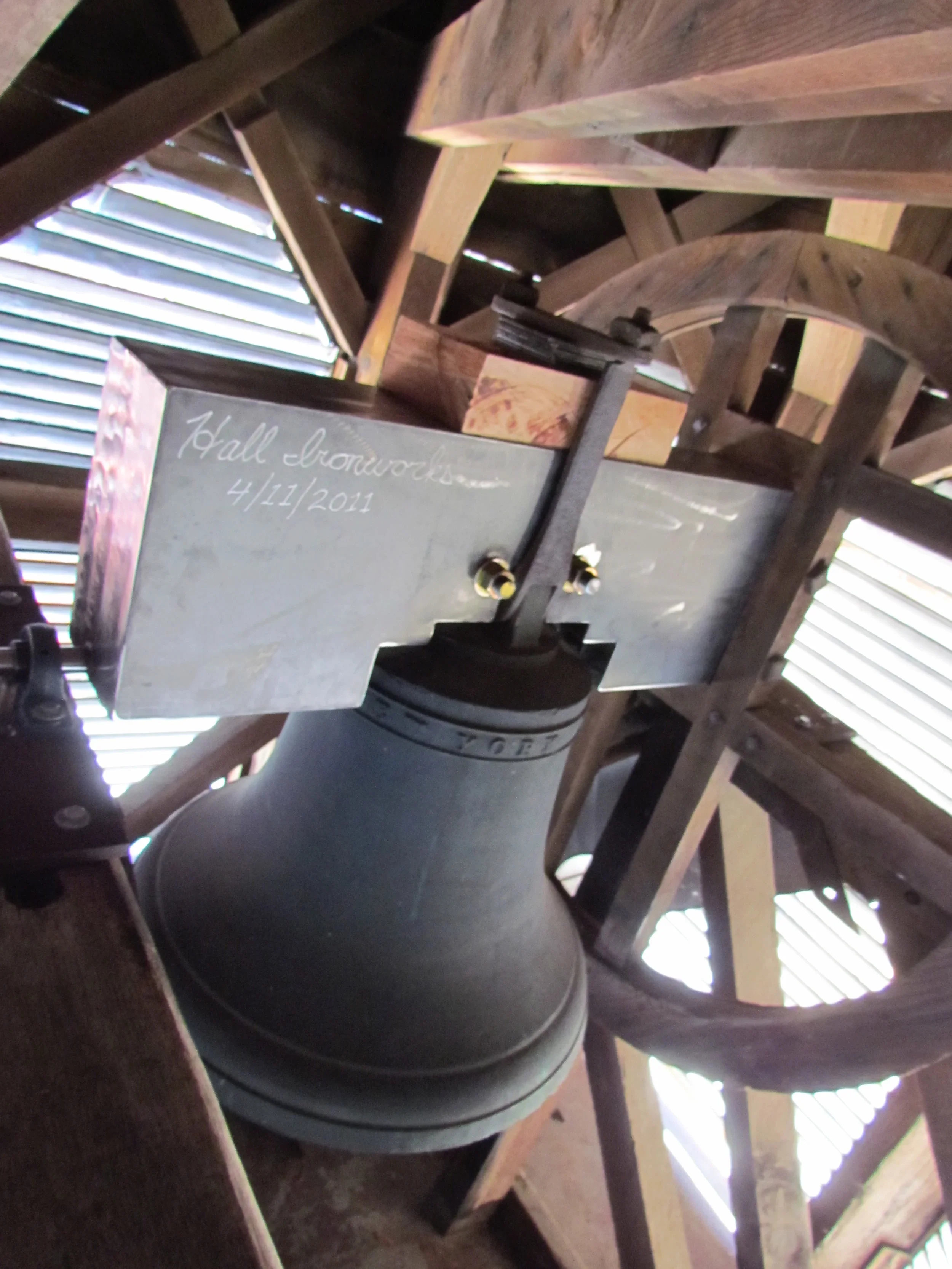
Since 1852 the Bell that calls St.Andrew’s congregation to worship has been a valued part of church life. After the current building was finished in 1831, the community focused on making their new home even better. They set up a special fund relying only on donations from church members to buy a bell. When the bell was finally placed in the steeple, its sound became both a call to worship and a symbol of a community that had worked hard to build and keep their church.
In 1855 a hurricane badly damaged the bell steeple, and weather and time continued to wear it down. In 2010 and 2011 a major restoration project funded by the Niagara Foundation brought the steeple back to its place as what many call “an important and much loved feature of the townscape.” A plaque marking the restoration was unveiled during the church’s 230th anniversary in September 2024.
Despite hardship, natural disasters, and the passing years, the bell has kept ringing. It connects St. Andrew’s first worshippers with those who gather here now.
The Churchyard at St. Andrew's
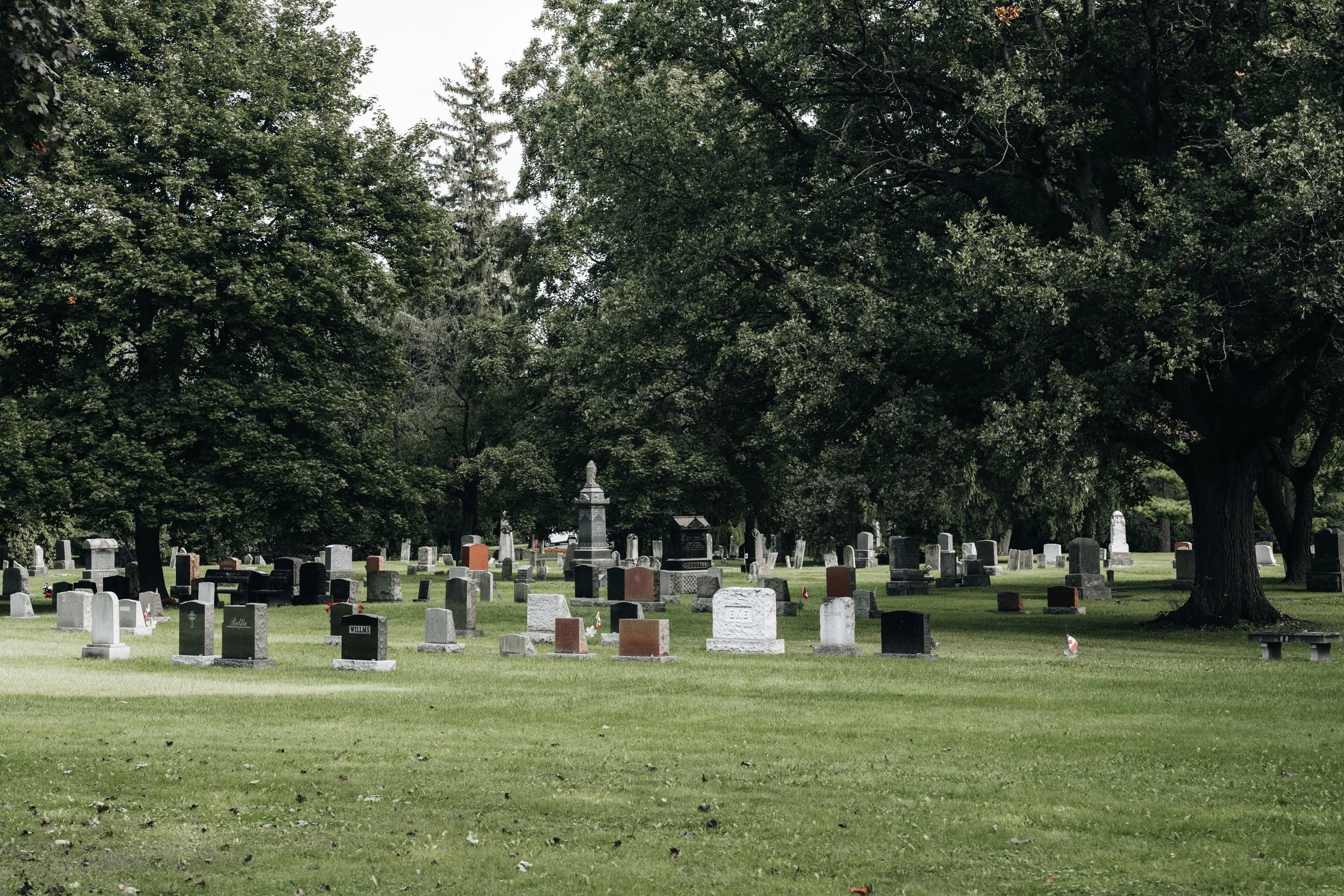
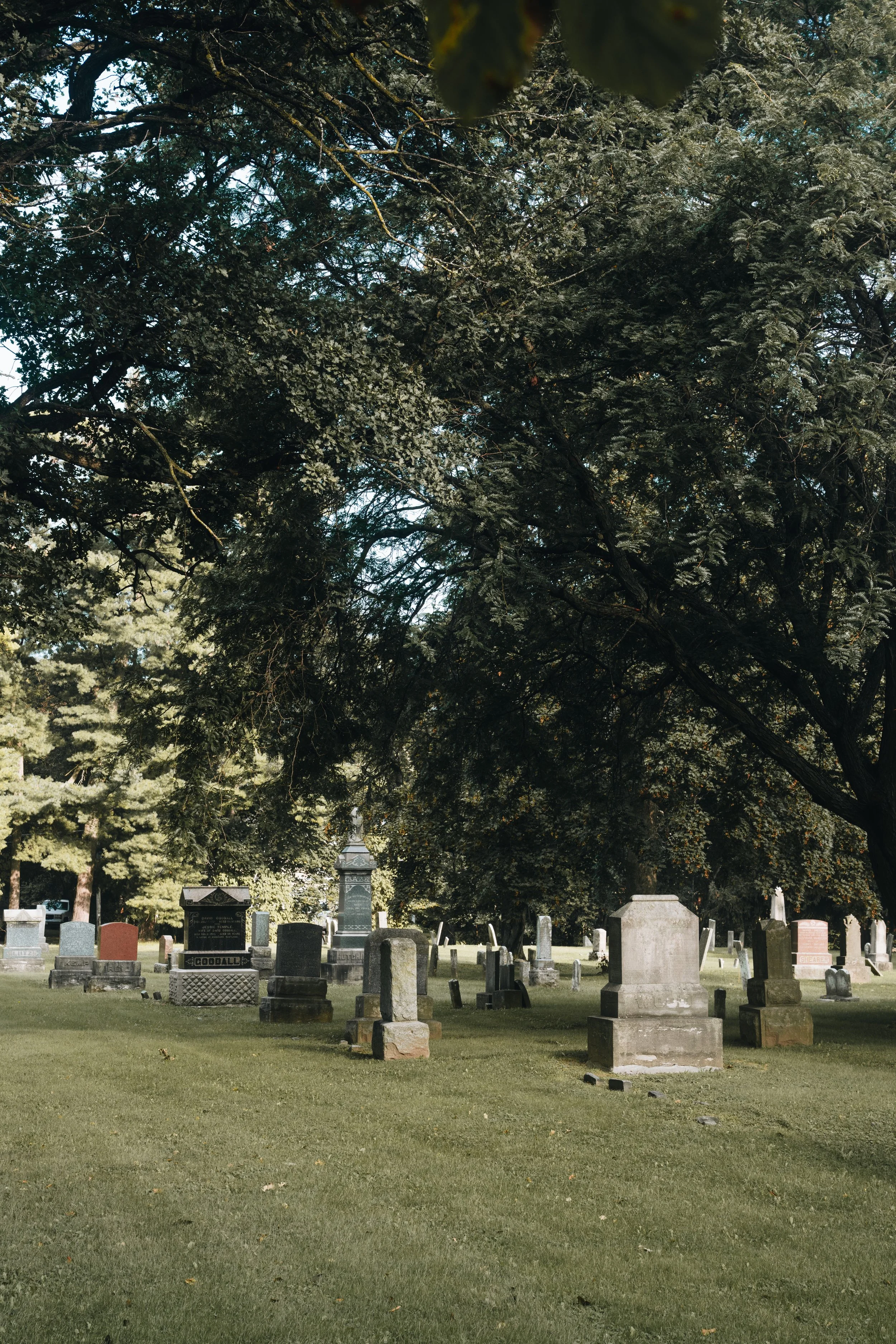
The churchyard at St. Andrew’s holds almost 200 years of community history. The congregation began in 1794, but burials did not start until March 1833. The first person buried there was John Crooks, who died at the age of 36 in 1833.
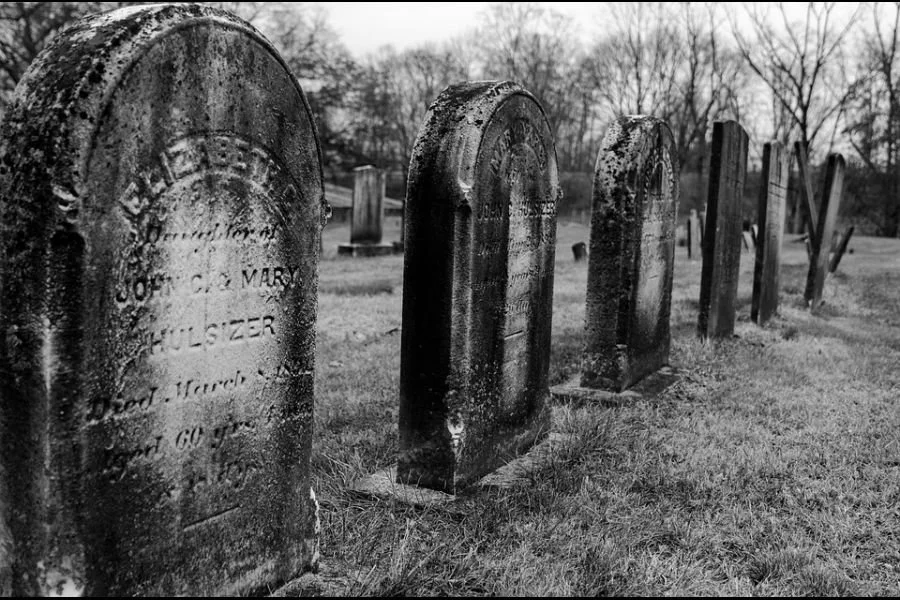
The gravestones here show the community’s simple and faith-focused style. Most bear a Bible verse, a hymn line, or a quiet message of hope, with little decoration compared to other cemeteries of the time. Military graves were different, listing rank and regiment with pride. The wars named on these stones include the Revolutionary War, the War of 1812, the Peninsular War, and the American Civil War, making the churchyard feel like an open-air record of Niagara’s military history.
Janet Carnochan, who founded the Niagara Historical Museum and worked hard to record local history, is also buried here. It is fitting that she rests in the churchyard she helped document. The Niagara Historical Society has shared the stories of those buried here through walking tours and community programs, showing that this place is still an important part of Niagara-on-the-Lake.